


Découverte et apprentissage
2026-08-19T16:30:11
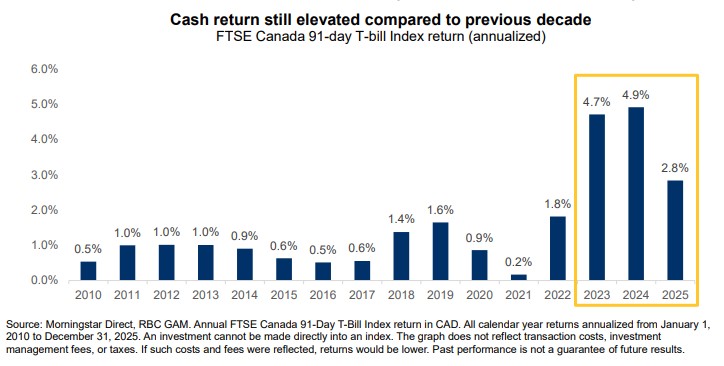
For most of the past decade, money sitting in a bank account earned barely enough interest to keep pace with inflation. For true growth, you would have had to put your money in stocks, bonds or other investments. Now that’s changed. Interest rates have dropped from their 2024 peak, but they’re still well above where they were for most of the last decade. That means cash is earning more than it used to. But is it enough? https://www.rbcgam.com/documents/en/ns/cf-dmu/cf-does-cash-get-you-where-you-want-to-go.pdf
2026-08-05T16:30:07
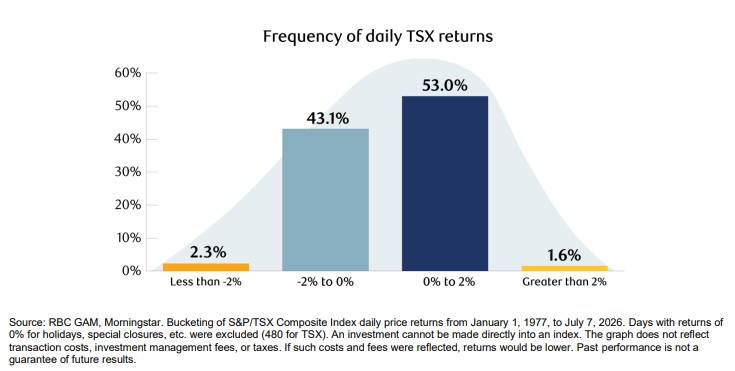
How to avoid the falling coconuts Do you ever find yourself constantly overthinking? You’re not alone. This state of always being on guard is called hypervigilance. Psychologists often say it’s a built-in survival mechanism—the human brain is naturally designed to forecast outcomes, avoid threats, and seek certainty. Today, this ancient habit easily translates into over-analyzing every situation, from choosing your outfit to crafting the perfect email to your boss. While many small day-to-day decisions are trivial in the grand scheme of things, some decisions carry far greater weight. When it comes to high-stakes outcomes like what to do with your life savings, confidence in your decision makes all the difference. https://www.rbcgam.com/documents/en/ns/cf-dmu/CF-%20How%20to%20avoid%20the%20falling%20coconuts.pdf
2026-07-23T11:16:40
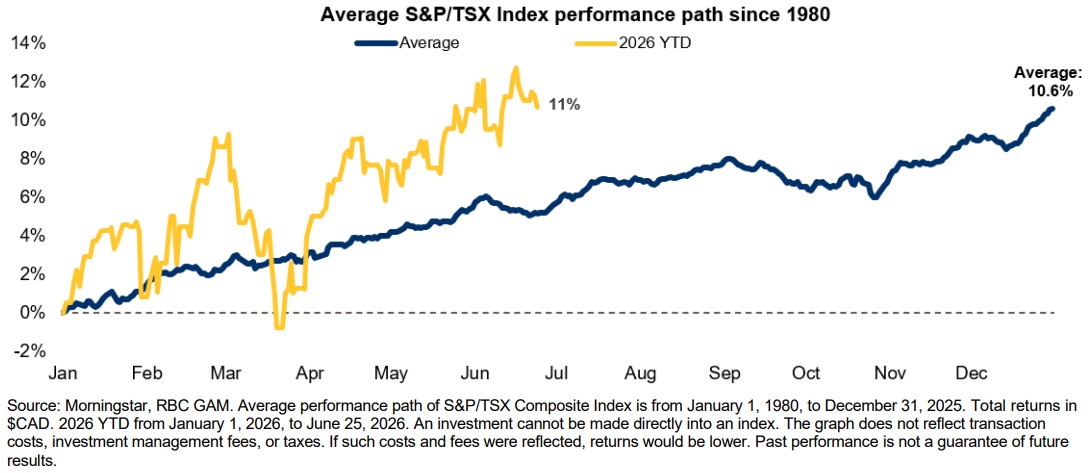
Think about how you got to work today. Did you check traffic? Or did you leave based on how long it normally takes you to get there? Chances are, you assumed the average and that worked fine. Until it doesn’t. When construction reroutes traffic or an accident adds 30 minutes to your commute, the average becomes meaningless. This is why it helps to keep averages in perspective – especially when it comes to your portfolio. https://www.rbcgam.com/en/documents/en/ns/cf-dmu/Average%20experience%20paradox_FR.pdf
2026-07-02T16:30:01
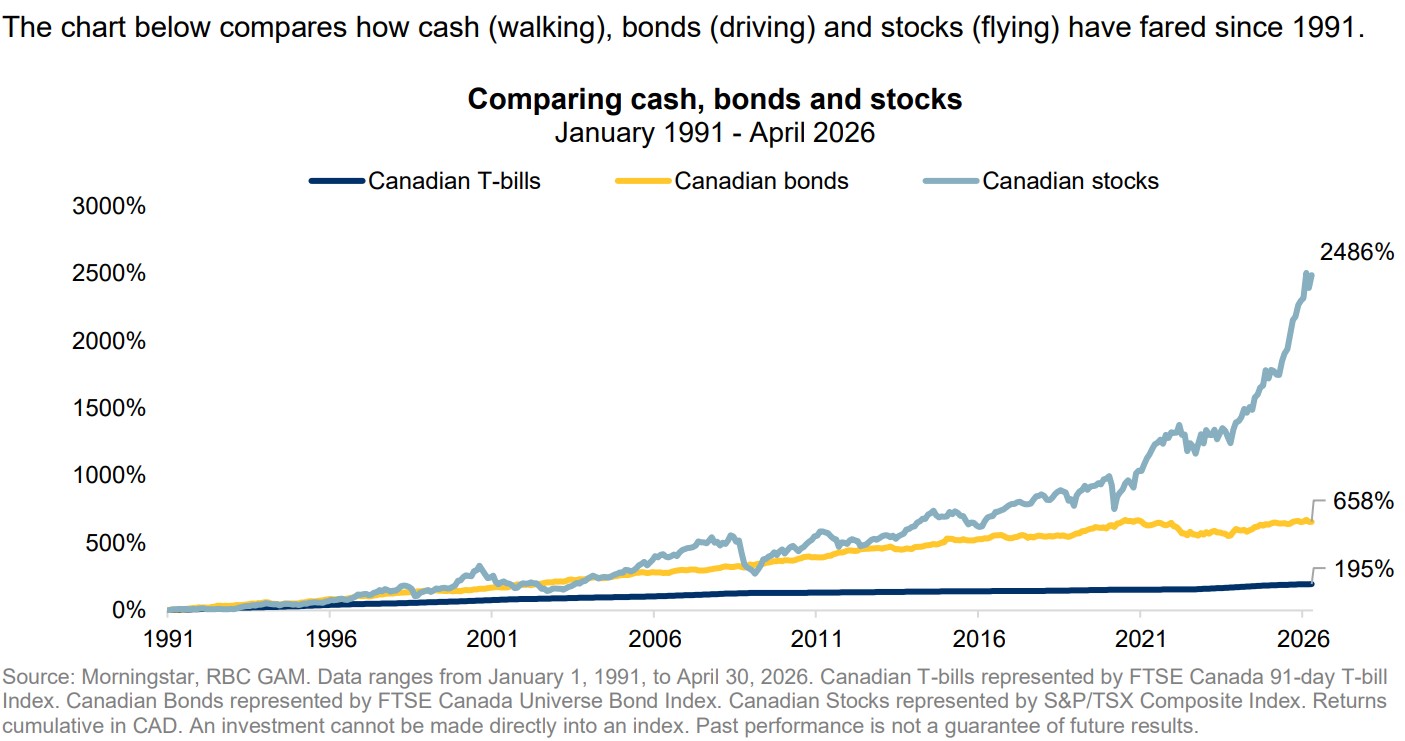
Should you walk, drive or fly? Remember back in 2022, when inflation nearly reached double digits? Prices and interest rates have eased since these peaks. But "sticky" price increases in key sectors are preventing a complete return to the Bank of Canada’s (BoC) 2% inflation target. Today, a key measure of Canadian inflation sits at 2.3% – still slightly above that target. When it comes to your investments, returns are important, but that’s only half the picture. Inflation is the silent force that can erode the wealth you are working so hard to build. Why? Because if inflation is higher than your investment returns, you are essentially losing purchasing power on your hard-earned money. https://www.rbcgam.com/documents/en/ns/cf-dmu/should-you-walk-drive-or-fly.pdf
2026-03-13T16:00:15
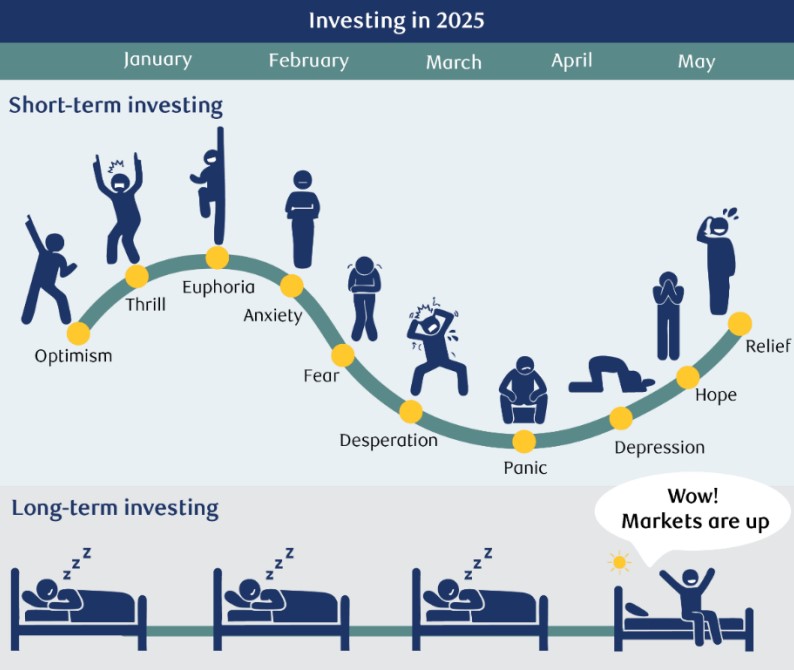
If you had slept through the first half of 2025 and woke up at the end of that year, you’d have been surprised to learn that the TSX was up 32% as of December 31. On the surface, it looked like a steady climb. But for anyone watching closely, it was anything but calm. Markets swung on headlines: Trump issued tariff threats, then backpedaled, then threatened again. Mix in recession fears and it's no wonder investors felt whiplash. From January to mid-April, the TSX dropped 12%. By May, it had recovered most of that loss. The ride felt turbulent, but if you slept through the whole thing, you’d wake up thinking not much happened. https://www.rbcgam.com/documents/en/ns/cf-dmu/big-drop-bigger-lesson-2026.pdf

2025-12-17T17:30:13
The world of global investing
Did you know 97% of investment opportunities exist outside of Canada? This article from RBC GAM includes a short questionnaire to help you see where you hold your wealth.

David Craig, PFP
Planificateur financier, Planificateur en placements et retraite
Travaillons ensemble pour atteindre vos objectifs financiers